






AI products rarely fail as cleanly as conventional software. A database may return an error. An API may time out. A language model can return a fluent, syntactically valid answer that is nevertheless...
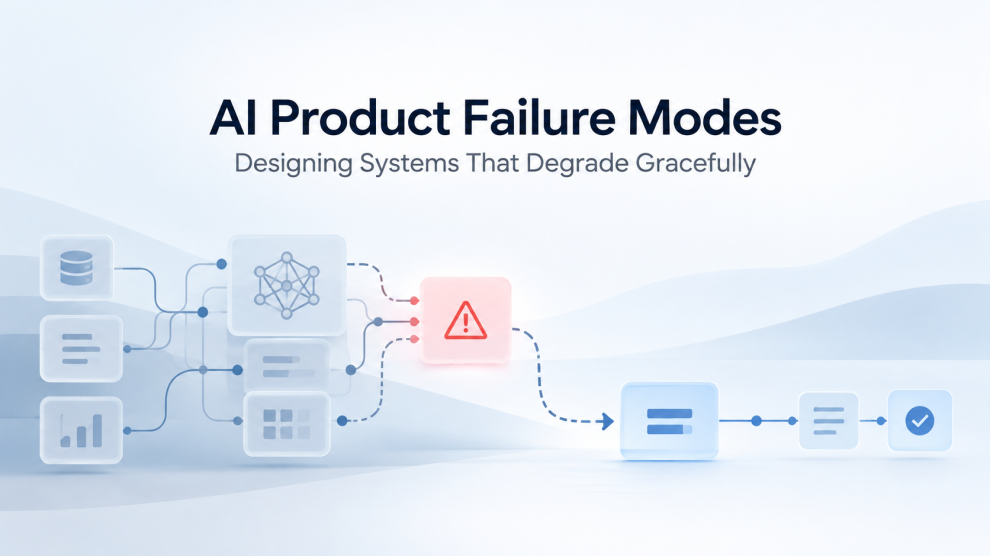
AI products rarely fail as cleanly as conventional software. A database may return an error. An API may time out. A language model can return a fluent, syntactically valid answer that is nevertheless...
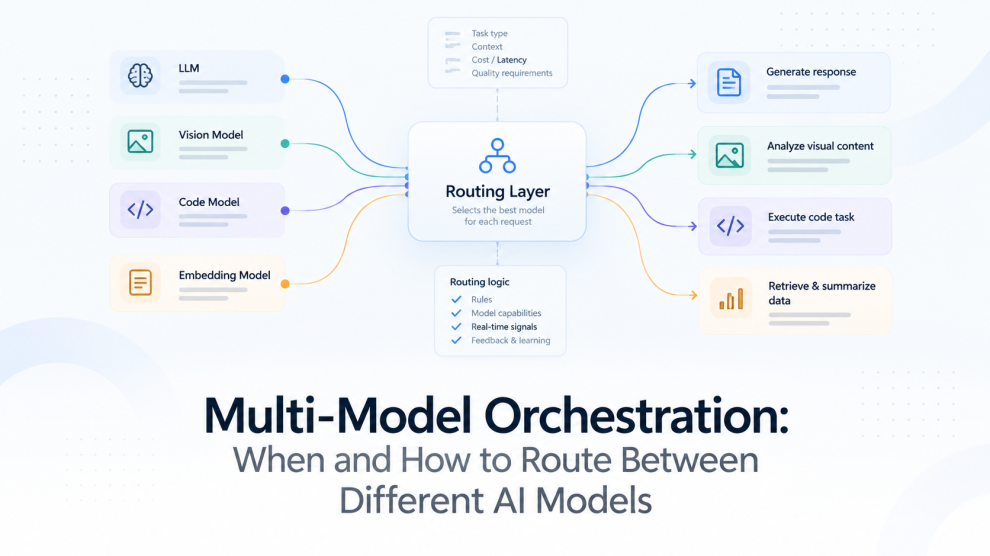
Enterprise AI teams face a growing architectural problem: no single AI model delivers the best combination of accuracy, latency, cost, and reliability across every workload. A model that performs...

AI-native products are introducing a financial challenge that conventional software infrastructure budgets rarely anticipated. Unlike traditional applications, where costs largely follow predictable...
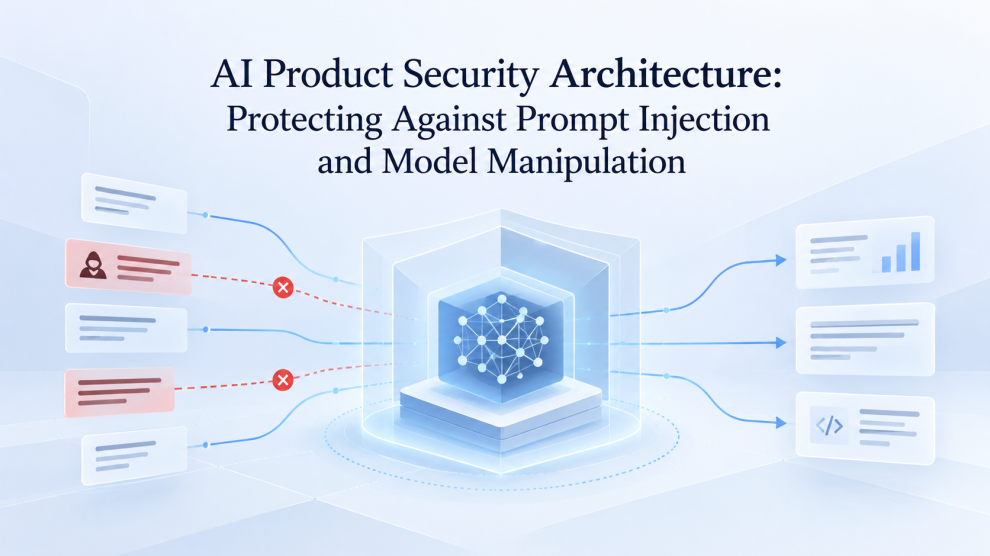
Enterprise AI security becomes considerably harder the moment a model stops generating text and starts interacting with company data, APIs, workflows, customer records, or production systems. A...
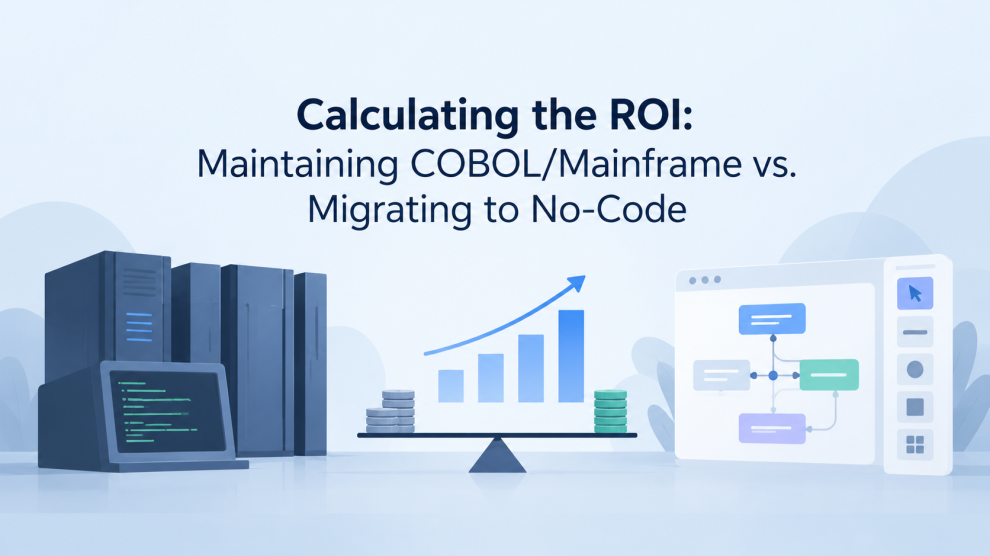
AI-powered products often perform well in development environments but behave differently when exposed to real-world conditions. An autonomous system may struggle with unexpected inputs. A predictive...

Enterprise teams are no longer struggling to prove that artificial intelligence can generate an answer, summarize a document or automate part of a workflow. The harder problem is turning intelligence...
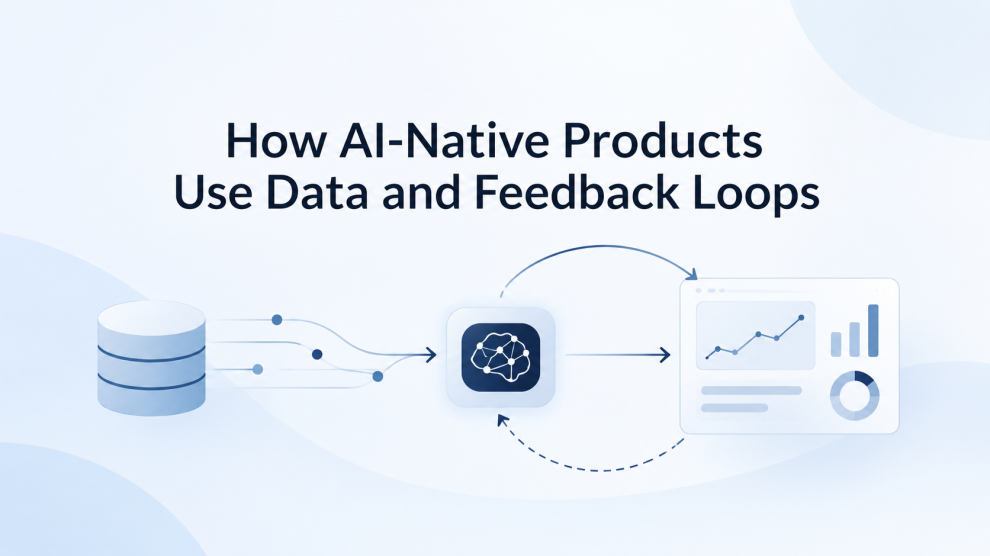
For years, enterprise product teams have treated data primarily as an input to analytics. Applications generated events, data platforms collected them, dashboards summarized them, and product teams...
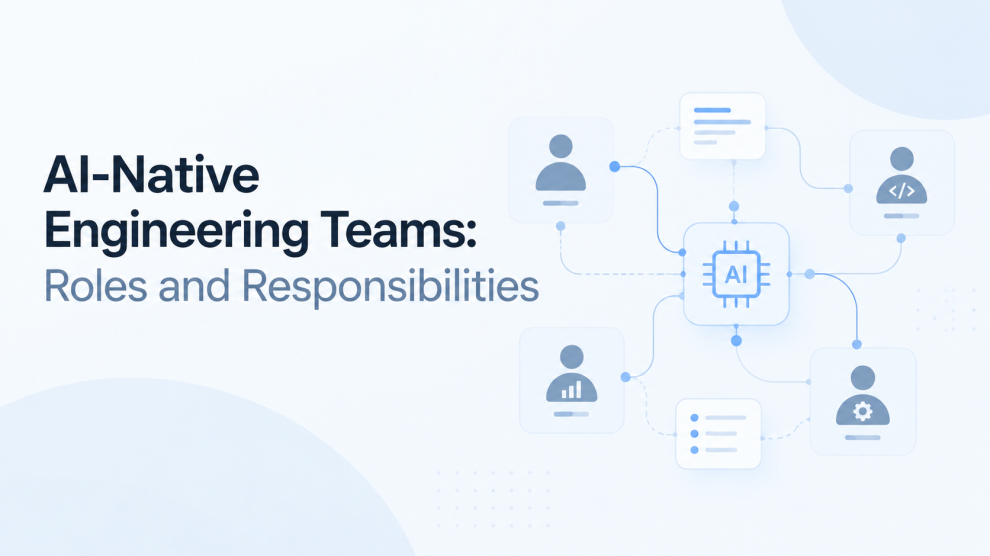
Enterprise engineering organizations have spent the last two years giving developers increasingly capable AI tools. That has made code easier to generate. It has not necessarily made complex software...
For enterprise technology leaders, the AI conversation is moving beyond where to add a copilot. The harder question is whether the underlying product...

Enterprise AI adoption no longer suffers from a shortage of experiments. It suffers from a shortage of systems that can survive production. McKinsey’s...